Background

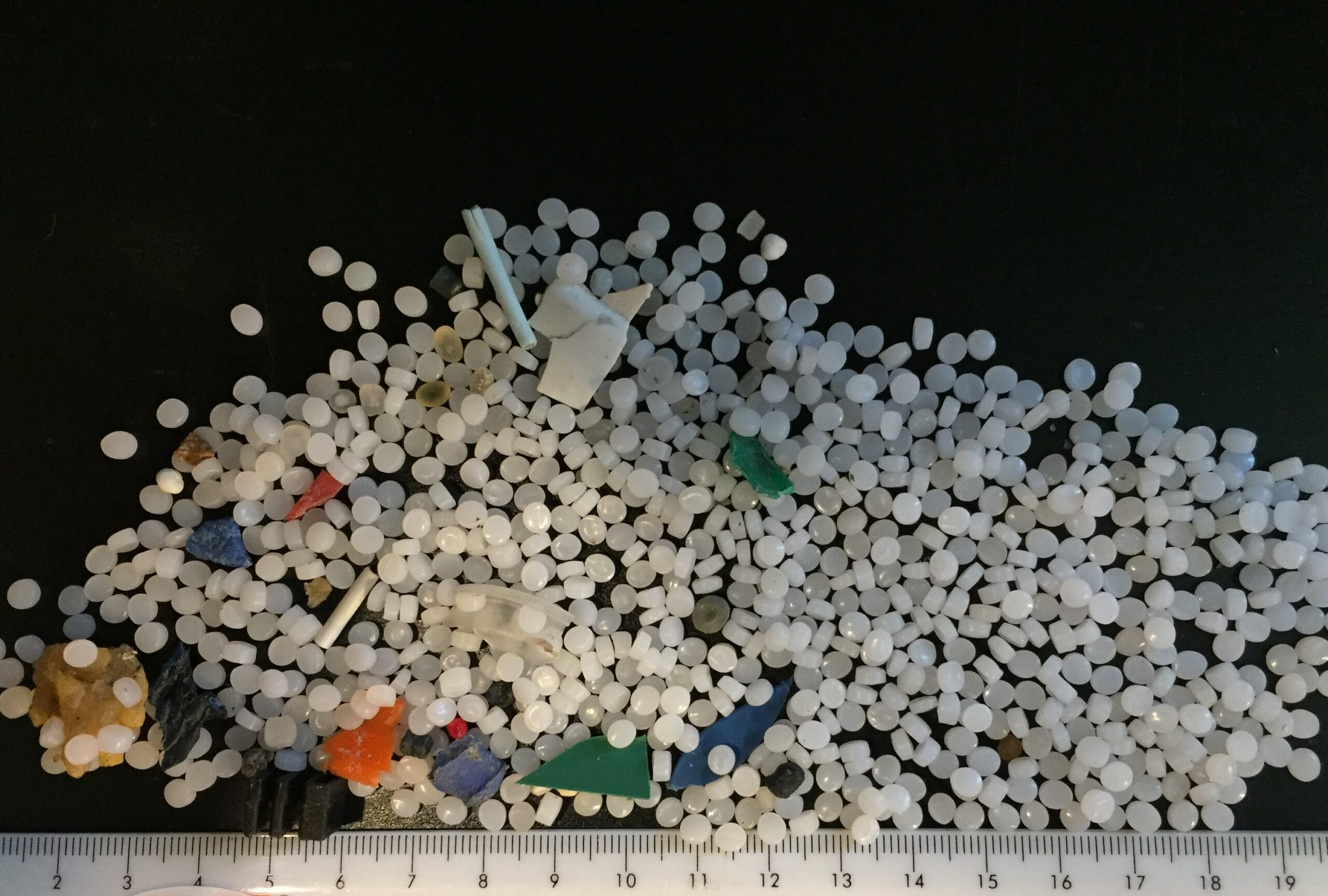
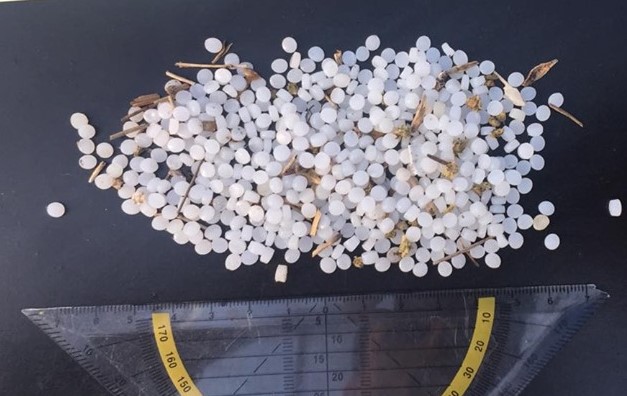
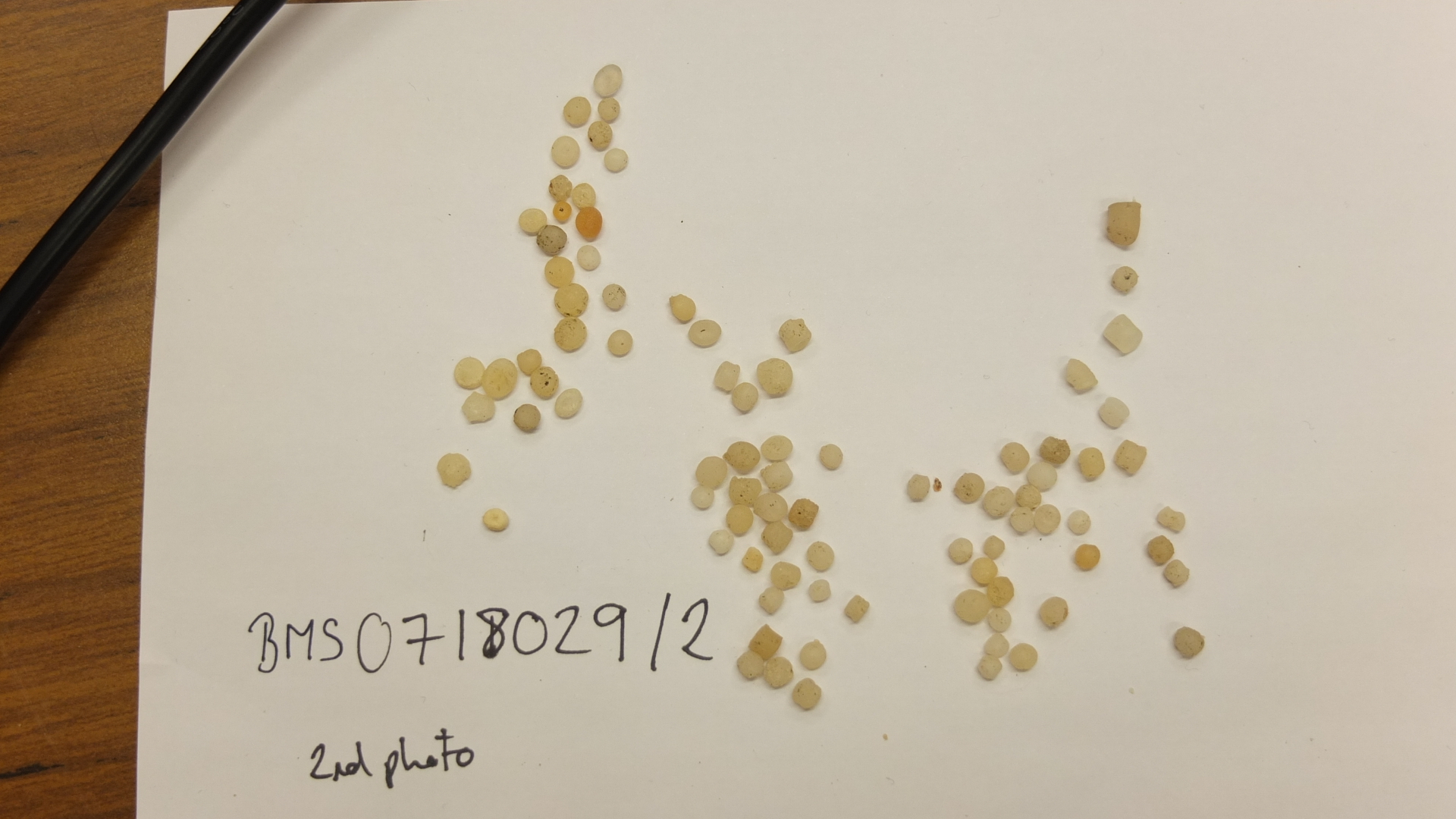
Following the July 19, 2026 container collision at the Port of Tyne, an estimated 17.9 tonnes (roughly 850 million in number) of plastic pre-production pellets (nurdles) were released into the River Tyne. Tracking and modelling by Newcastle University has shown they have spread out from the initial incident location. A large portion of the pellets were quickly carried out of the estuary by tides, river currents, wind, and waves.

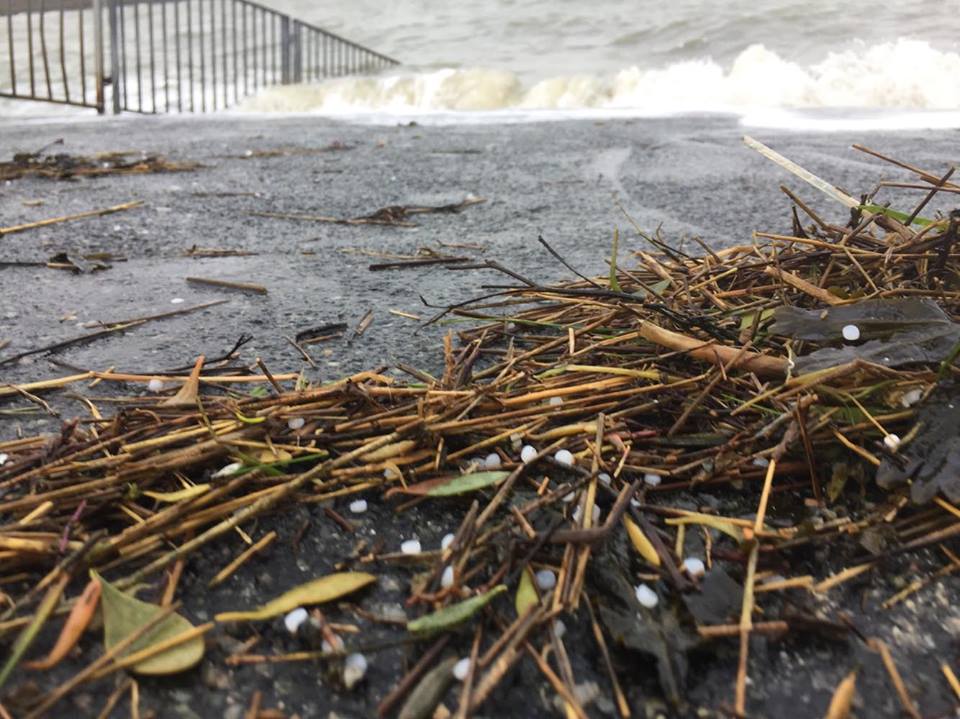
Along Regional Coastlines: Pellets have washed up and spread across more than 80 miles of beaches, stretching along the English coast from Northumberland down through North Yorkshire.  Additionally the Danish Environment Protection Agency confirmed that some pellets from the Tyne spill have drifted across the North Sea and reached the western coast of Denmark.

Clean-up Efforts

Local authorities, communities NGOs and commercial organisations have all done a remarkable job of trying to clean up the nurdles from coastal areas. That process will continue into the future, however, as the numbers decrease and distribution becomes more widespread clearing them up becomes more difficult. Essentially plastic nurdles from this accident will potentially continue to appear on coastlines for many years to come.

The Need for Long-term Monitoring

We believe there is a need to establish a coordinated, long-term coastal monitoring programme involving the very communities that have already demonstrated such an extraordinary commitment to protecting their coastline. Through our Big Microplastic Survey, developed in collaboration with the University of Portsmouth, we have spent the past eight years building and testing a citizen science methodology that enables volunteers to collect scientifically useful data on microplastic pollution.

We want to use this established programme to create a network of volunteer monitoring sites along the northeast coastline, collecting consistent data over time to help identify pollution hotspots, understand changes in distribution and inform future clean-up and management decisions. Citizen science cannot replace every aspect of professional environmental monitoring, but it can make sustained, large-scale data collection more accessible and affordable.

What’s Involved

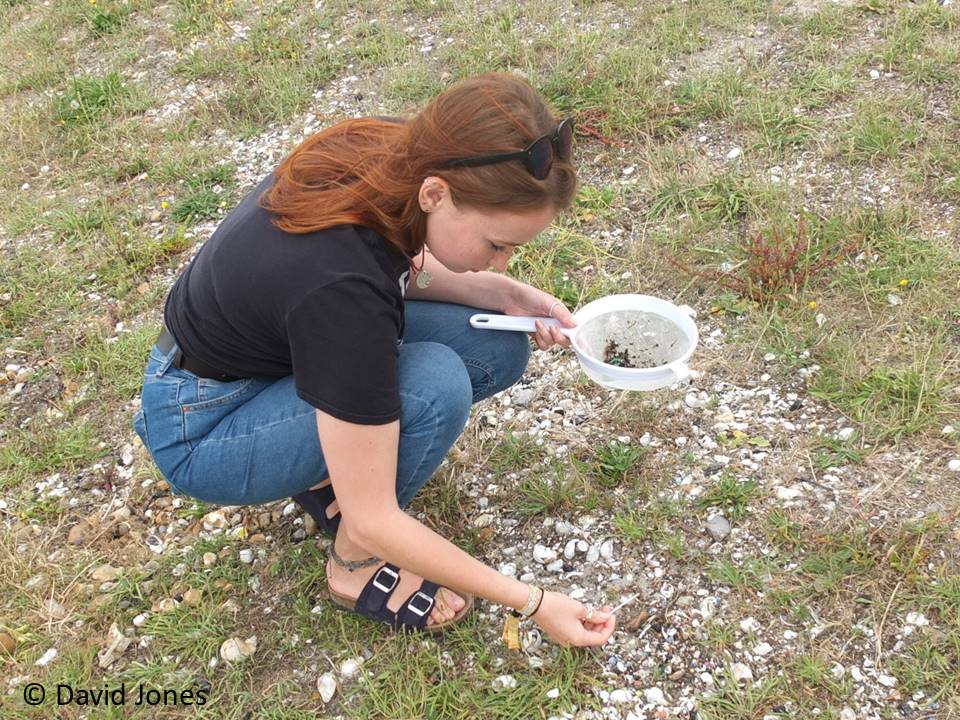
We know that you all have busy lives, but you probably want to do something to make a difference.  The Big Microplastic Survey is the perfect solution. By participating in this programme you will be making a contribution to our scientific understanding of the problem. The methodology has been designed to be cost and time effective and easily accessible making it as easy as possible for you to be involved.  It takes about 30 minutes to do a survey and most of the items that you need to undertake a scientific microplastic survey you can find around the household, or are available at a minimal cost. So you can do a survey pretty much anywhere there is a shoreline, whether it is on the coast or in an estuary.
I’m in, what now?

If you want to participate in collecting and analysing samples as part of the River Tyne Nurdle Spill Project the process is relatively simple.  All you have to do is follow the six steps below.

Step 1 – Download the resource pack and watch supporting videos

The resource pack contains all the information you will need to conduct your survey and analysis.  This includes details on the procedures and the survey forms you need to complete and send to us.  There are also a number of supporting videos on the ‘Supporting Videos’ page which you should watch.  If you are not sure about anything please contact us before you press ahead with your survey. Please also make sure that you watch the short video about Health and Safety. Once you have read the details you can decide whether this project is for you.

Resource Pack  Supporting Videos


Step 2 – Register

You need to register for the survey with the link at the bottom of the page.  This lets us know who you are and that you have agreed to the terms and conditions of this project.  Once you have registered you will be given your project registration number. You will need this registration number when you submit your data.  However, before you register please read through the other steps.

Step 3 – Plan your survey

Decide on when and where you are going to conduct your survey.  It might sound obvious, but we always recommend that you do the survey on an outgoing tide because it is safer.  Please watch our Health and Safety video before you conduct your survey.

You might want to get some volunteers to help you.  The survey can be done by one person, but it is more fun and you can collect more data if there are more of you.

We will want to know where you are going to do your microplastic survey which you can do using Google Maps.  There is an explanation on how to do this in the resource pack but you can also find your location on the data app.

Step 4 – Undertake your survey

Enjoy the survey!  We have found that they are a great opportunity to meet other people and find out things about the microplastic issue.  You will see small things that you probably walked by in the past.  One ‘sample’ for us is actually 5 small samples taken in 5 locations within a 25m stretch of coastline.  This gives us a representative sample size of the area.  Feel free to survey more than one location and feel free to do as many surveys as you want, even from the same place.

Step 5 – Analyse your samples

Now you have had some fun collecting your samples it’s time to find out what you have got.  This involves drying the samples, sorting out any vegetation and comparing what you have got against our microplastic guide which is available in the resource pack. You might want to use our data recording form to help you record everything in your sample. We have written a blog post about how we analyse our samples which you may find useful.

Step 6 – Submit your data

Once you have been through the samples you can upload the data directly onto our database using the Big Microplastic Survey Data App. Please remember to include your survey registration number when you upload your data. If you don’t think you will have internet you can always download the pdf version of the survey data form and complete it manually then upload the data when you have a signal.

Survey Data Upload Link

Once you have submitted your data they will automatically appear in the results section of the database. You can see these by clicking on the Results tab.

Finally …

This whole process is not meant to be a ‘one-off’. The more data we have the better, even if it is from the same place. So please feel free to repeat the process as often as you like, whenever you like.