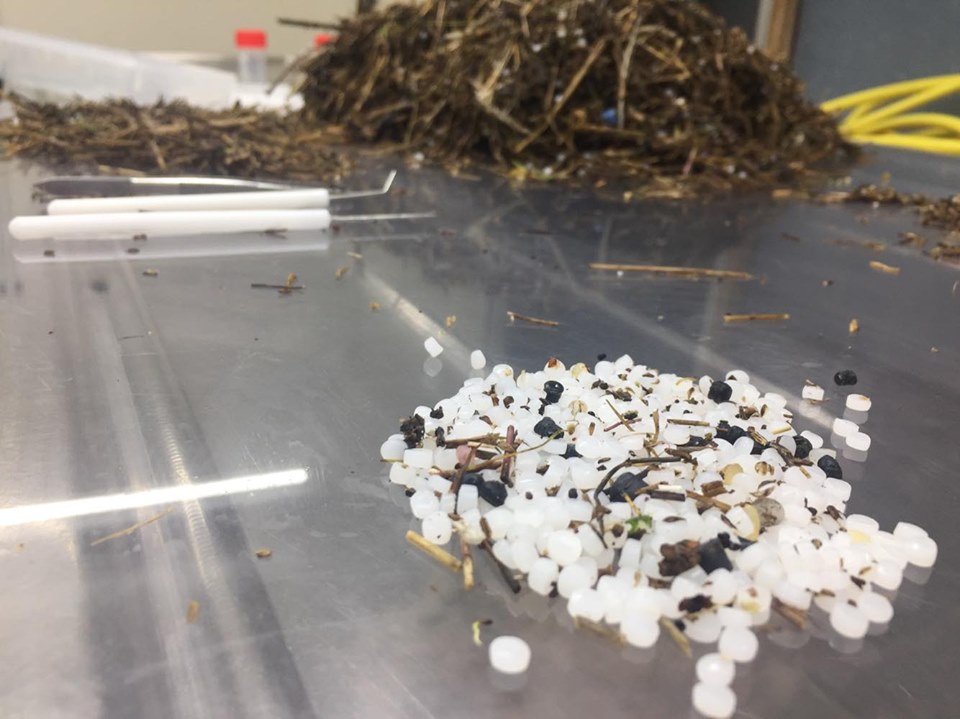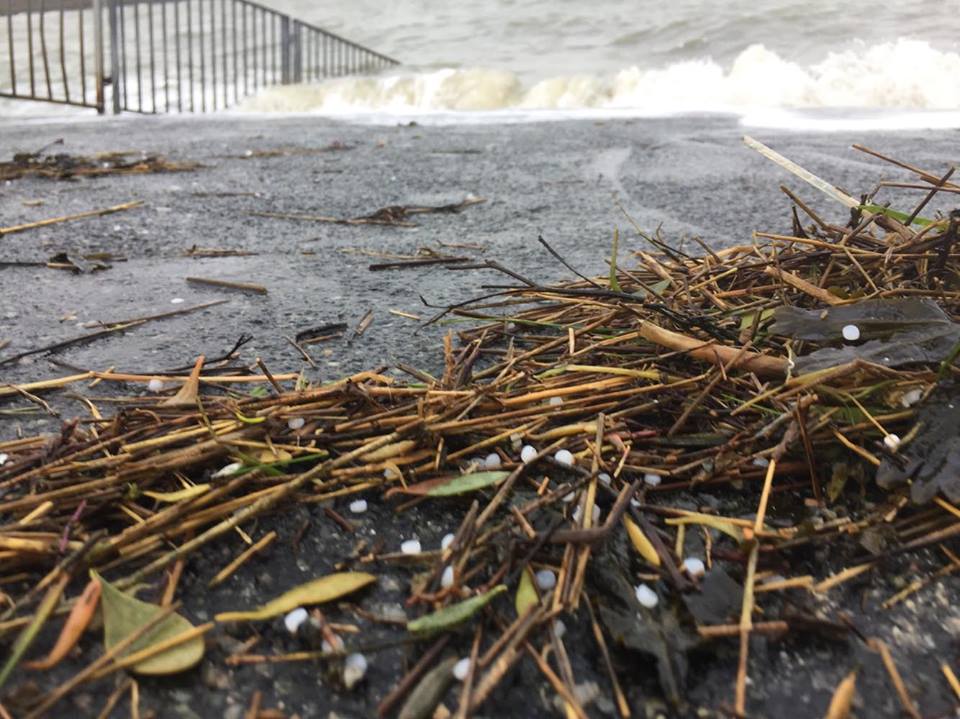
Yet another significant and environmentally catastrophic spill of plastic pre-production pellets on the UK coastline reported by the BBC and other news outlets.
Whilst it is essential to clean up as much of this as possible quickly, equally as important is the implementation of a long term monitoring plan along the coastline to identify the distribution density of the material that will inevitably escape into the environment. This will allow targeted clean up efforts to be put in place and identify habitats and specific locations that might be impacted.
That all sounds pretty sensible, however, LTM programmes can cost a lot of money and the budgets needed to support them can be difficult to find. As a result there is definitely a reluctance for governments to commit themselves to such efforts. Might I offer to the Environment Agency, North Tyneside Council and DEFRA that the Just One Ocean Big Microplastic Survey (BMS) might be a way forward.
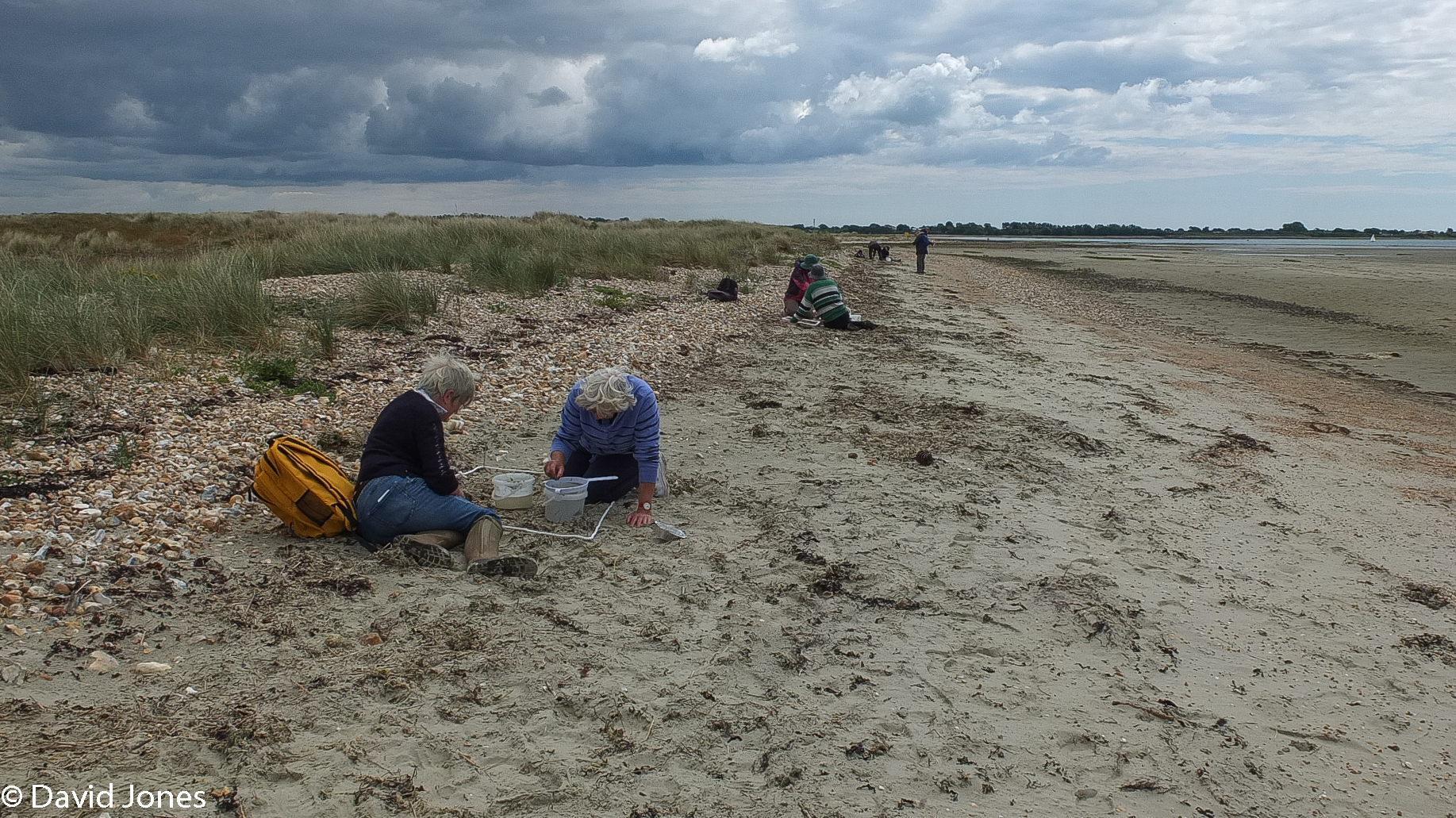
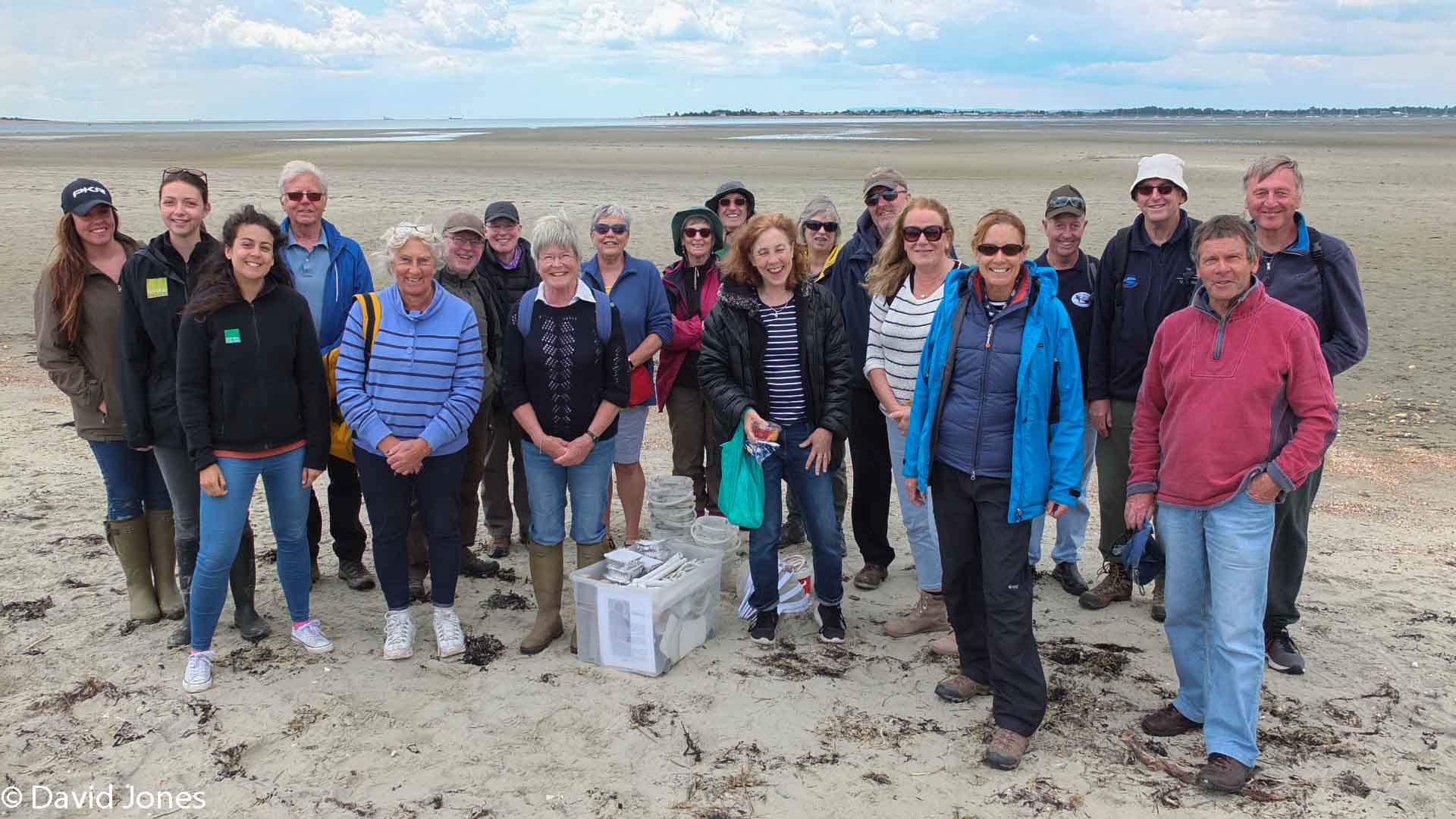
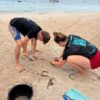
The BMS (microplasticsurvey.org) is a citizen science based project established seven years ago that has collected microplastic data from coastlines around the world. This has enabled analysis to be undertaken and has increased our understanding of the issues. We have established the methodology works, have compared it with existing more traditional scientific methods and have produced results that can help in management and policy development in a number of areas.
This is not the first time it has happened, you can see that from our report on the MCS ZOE disaster which occurred in 2019, and it probably won’t be the last. But, with support from local and national government we can mobilise volunteers not only to help in clean up efforts but also provide important monitoring data into the future. All without costing a fortune!